

 OUR PALLETS

In an increasingly sustainable world, supply chains are turning more conscientious. With pressure coming down on waste, carbon emissions, and circular practices, the logistics system is running out of areas to compromise. Yet, one unassuming detail that might become the main game-changer goes completely unnoticed.
Sustainable pallets are no longer just a “nice to have” for companies hoping to keep afloat. Here’s a take on why sustainable pallets are the future of logistics and what makes BCSM Pallets Melbourne a favorite for this new shift.
More on traditional pallets
Currently, the traditional timber pallet remains the most common and widely recognised in the industry. They’re cost-effective, simple to fix, and reliable. Yet, the issues the classic pallet entails are manifold:
- Resource depletion
- Lifespan
- End-of-life treatment
- Durability and transport waste
- Emission stance on pallets
What Makes a Pallet Sustainable?
- Reducing the wood harvest’s load
- Repairability and reuse fewer times
- Replacement cycle prolongation
- Repairability and reusability lifecycle prolongation
- Repairability repellent nature
- Forest treatment
- Integration with pallet pool services
Recycling or responsible sourcing of materials — the use of reused wood, recycled plastic, and other such alternative materials in preference to virgin timber would help reduce demand for virgin timber.
Recyclability/end of life planning — if a pallet is capable of being wholly recycled, upcycled, or reprocessed avoids landfill.
Used Mpower — lighter designs, local materials, or efficient manufacturing means lower embedded emissions.
Alignment with circular economy — Pallet manufacturers or cooperatives can retrieve, repair, reuse or recycle materials.
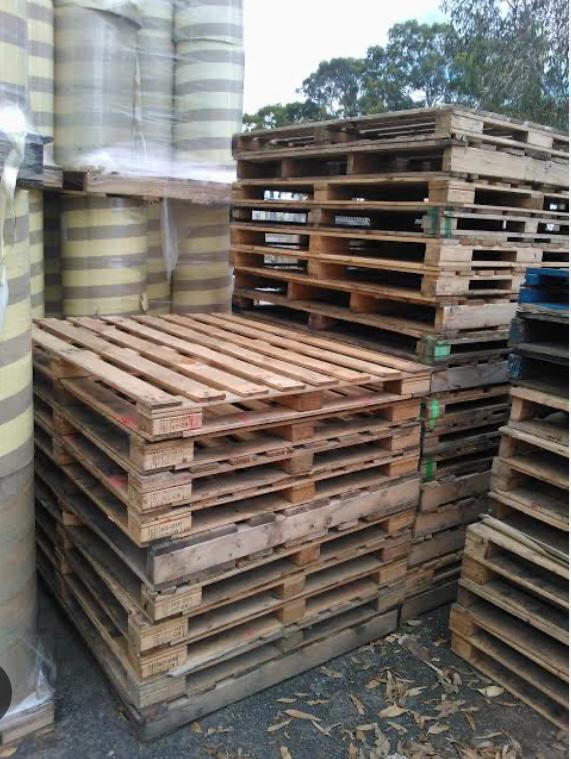
Sustainable pallet options could be second-hand, refurbished pallets (wood or plastic), and other types of engineered wood. For instance, corrugated skids can be extremely lightweight and still strong, and do not always require pest treatment.
Elsewhere, like in Australia, companies make pallets from 100% recycled plastics to be more hygienic and durable, as well as to better meet reduce their carbon footprint.
Why the Race to Sustainable Pallets Is Speeding Up
Here are the big factors that have helped to drive alternative pallets from a wide niche toward mainstream:
Regulatory & Market Pressure
Governments and industry regulators are strengthening regulations on emissions, waste and packaging materials. Given the added scrutiny of supply chain environmental impact, opting for sustainable pallets makes compliance easier and penalties less likely.
Cost Over the Lifecycle
Although sustainable pallets might have a higher initial price, their longer service life, lower replacement rate and the decrease in waste cost generally achieve overall lower cost over their useful life.
Brand & Stakeholder Expectations
Companies are under more and more pressure from their clients, investors and consumers to behave responsibly. Promoting sustainable logistics, including pallet selection improves brand image and supports ESG (environmental, social, governance) objectives.
Supply Constraints & Risk Mitigation
The availability of lumber can change as a result of legislation, natural disasters, or supply chain issues. Pallet materials diversification diminishes reliance on any particular resource.
Innovation & Material Technology
Advances in materials and production technology are also making environmentally friendly options more feasible. New composites and recycled plastics are making them stronger, lighter, and even more affordable.
Alignment with Circular Economy
Logistics systems that return, refurbish, and recycle pallets create less waste and maintain value in the system. Some manufacturers go so far as to provide take back pallet collection programs
How BCSM Can Help You Sustainably Transition to Pallets
With BCSM we already cover a variety of pallet solutions such as new timbers, hardwood pallets, second hand pallets as well as custom pallets and export pallets.
Here’s what BCSM can do for clients that want to adopt sustainable logistics:
- Recycled / reclaimed timber options
For a lot of businesses, recycled or reconditioned wood pallets are an easy first step. BCSM supplies second hand recycled hardwood timber pallets. - Bespoke pallet design & lighter construction
We also produce specialty pallets based on the dimensions and load capacity of your products. The prevention of unnecessary over engineering is the best way to minimise materials usage, weight and emissions. - Export / ISPM-15 compliance
For items to be shipped overseas, we design export pallets that comply with regulations so your company can achieve a global presence without the need to sacrifice environmentally friendly practices. - Support for circular practices
We will work with you on pallet retrieval, refurbishment and recycling programs to help complete the loop and minimise waste handling costs. - Transparent sustainability credentials
For a pallet order, we can share information on the source material, treatment steps, and possible lifecycle emissions per pallet, allowing customers to include this as part of their ESG reporting for purchasing pallets.
Mixing of custom, recycled, and next-gen pallet offerings can enable BCSM clients to transition to more sustainable logistics without a wholesale disruption.
Practical Steps for Businesses to Start the Process
If your logistics operation is considering the transition to sustainable pallets, here’s a quick little roadmap:
- Audit your current pallet usage
Evaluate the number of pallets that you are using, what is the failure rate and how much do they cost to repair or dispose. - Start small with pilot programs
Test in a line or region with sustainable or recycled pallets before you scale. - Gather lifecycle data
Work out the number of cycles a pallet actually survives, repair frequency, and then ultimately the cost for disposal compared against traditional types of pallets. - Engage with your suppliers
Partner with manufacturers like BCSM who provide sustainable materials and encourage recycling or take back programs where they can purchase the pallets back from you. - Incorporate into your sustainability goals
Establish goals (example: by 2028, 80 percent of used pallets will be reused or recyclable) and track the progress. - Educate staff & partners
Train handlers on care and repair, and talk with carriers or partners about your pallet specifications.
The cost savings, branding bonus, and environmental protection effect will compound over time.
Sustainable pallets are not a fad, they’re cementing a shift in the supply chain. Risk rises further as regulation thickens, stakeholder pressure increases, and resource vulnerability is heightened as logistics providers are going to have to keep up.
By working with a supplier that can provide both traditional pallet solutions and sustainable ones, BCSM’s customers experience greater choice and robustness in the service they receive. And through recycled wood, custom designs, or next-gen materials, the pathway toward sustainable logistics is larger and wider open.

Questions about Sustainable Pallet Solutions
What exactly is a “sustainable pallet,” and how does it differ from, well, any other kind of pallet?
The greenest pallet means less environmental impact. This means longer use, recyclable or repairable, upcycled or made from recycled material or sustainably produced and circular economy. A standard pallet could not have these characteristics and be waste.
Do sustainable pallets cost more?
Most of the time, yes, with upfront cost because of materials or processing that is higher. But over time, the lower replacement, repair, and disposal costs typically make up that initial premium.
Can reclaimed wood pallets be manufactured to comply with export regulations (ISPM-15)?
Yes, recycled lumber can be heat treated or fumigated to ISPM-15 if done correctly. It’s important to use a certified provider.
How long can a durable pallet last?
A: That depends on how something is engineered, materials are used, handled and repaired. Some plastic pallets can last hundreds of trips depending on use.
Are plastic pallets better for the environment than wood?
It’s the lifecycle analysis that determines it. Plastic pallets can have a higher embodied carbon if they are made from virgin plastic, but there are many durable ones that are enriched with recycled plastic which perform better over many cycles than wood when accounting for the product life span and how it is used. Furthermore, plastic pallets obviate the need for treatment of pests, and in many applications they can be cleaner.
How can I start the move to sustainable pallets without impacting my operations?
You could begin with a pilot in one product line or warehouse. Use blended fleets (traditional and sustainable) until the data from this approach becomes available. Work with your pallet supplier to gradually add refurbished, recycled, or alternate use pallets into your system. Track costs and use before scaling.
